Multiplayer Games with Innovative Team Mechanics
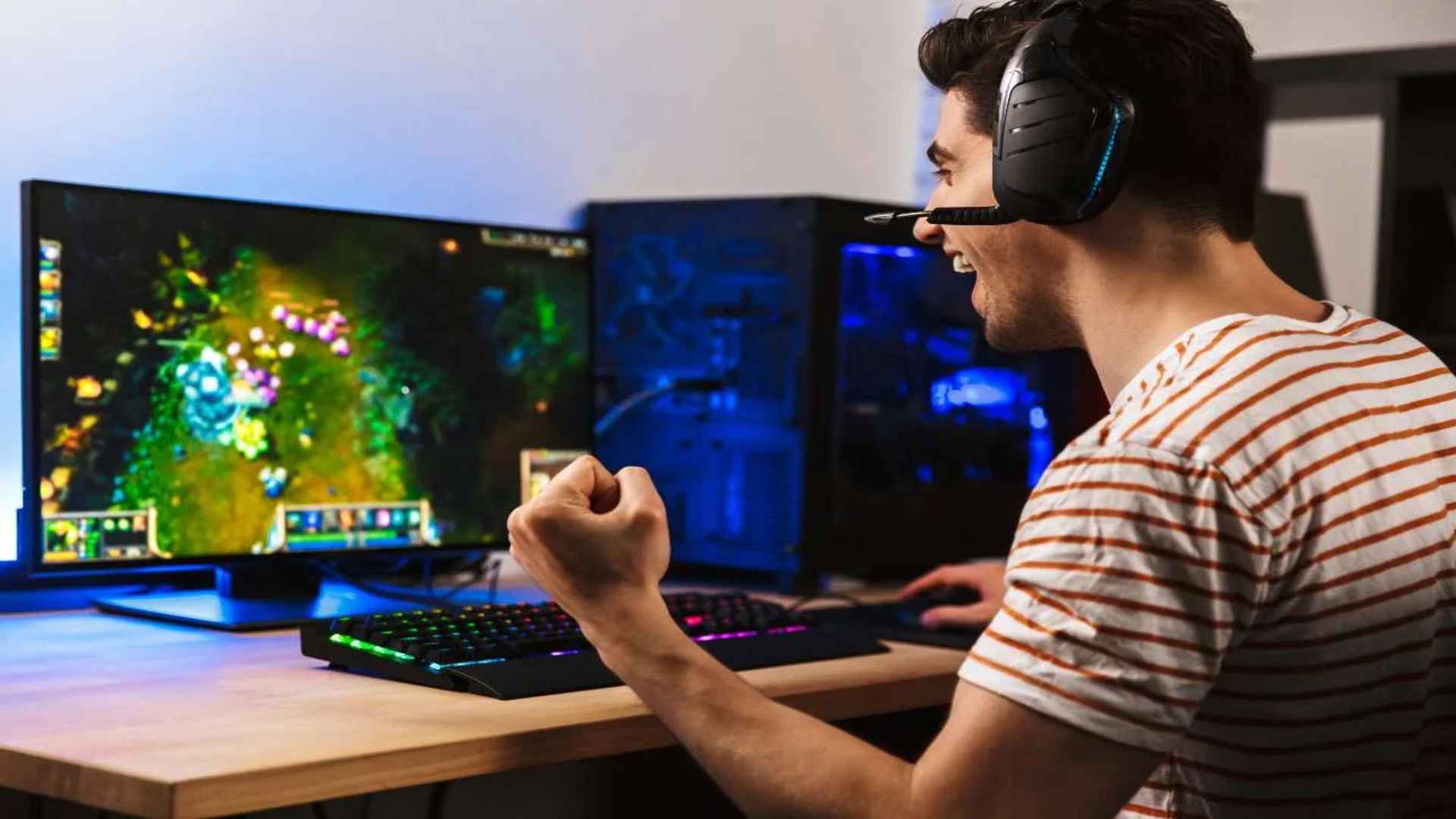
The landscape of modern digital entertainment has evolved significantly, shifting from isolated challenges to deeply interconnected experiences. Today, game developers are moving beyond standard cooperative play by introducing unique systems that require true synchronization among participants. These fresh approaches fundamentally transform how groups interact, communicate, and achieve mutual goals within virtual environments.
Rethinking Cooperative Role Synergy
Traditional multiplayer titles often assign static roles like healers, attackers, or defenders to individual players. However, modern designs encourage fluid interaction where abilities must be actively combined to trigger powerful secondary effects. This dynamic requires players to constantly monitor their teammates' cooldowns and tactical positioning rather than focusing solely on their own screens.
By blending distinct character capabilities, teams can discover unexpected strategies that adapt to evolving battlefield conditions. This emphasis on mutual reliance ensures that success cannot be achieved by a single skilled individual acting alone. Consequently, every participant feels a heightened sense of responsibility and value throughout the entire match duration.
Shared Resources and Environmental Interactivity
Another fascinating trend involves the introduction of shared inventories or collective energy pools that the entire group must manage. When a single player consumes a resource, it directly affects the tactical options available to the rest of the squad. This mechanic forces real-time negotiation and careful planning, as reckless behavior can leave the whole team vulnerable.
Furthermore, interactive environments now demand simultaneous coordination to unlock new pathways or neutralize complex hazards. Teams might need to split up to activate distant switches at the exact same second while fending off waves of opponents. For players seeking platforms that value high-level entertainment systems, exploring options like Mansion88 can offer insights into how modern digital spaces engage communities. These interactive setups transform the game world itself into a puzzle that can only be solved through collective intelligence.
Asymmetric Information and Communication Friction
Some of the most innovative multiplayer experiences intentionally restrict communication or provide different information to each player. One teammate might hold the map and instructions, while the other faces the physical hazards without any context. This asymmetry forces participants to develop precise verbal cues and description skills to survive the encounter.
Overcoming these intentional communication barriers creates an incredibly rewarding cooperative loop that strengthens social bonds. It challenges the conventional gaming format by prioritizing psychological cooperation and trust over pure mechanical reflexes. In the end, these experiences show that the most powerful weapon in a gamer's arsenal is often clear communication.
Dynamic Difficulty and Scaling Matchmaking
Modern online systems are also changing how cooperative challenges adapt to the collective skill level of a group. Instead of simply increasing enemy health, advanced algorithms adjust the complexity of required team actions based on real-time performance. This ensures that matches remain consistently engaging without becoming frustratingly impossible for casual groups.
Ultimately, these ongoing innovations ensure that the cooperative gaming genre remains fresh, unpredictable, and highly repeatable. As technology continues to improve, players can look forward to even more creative ways to connect and collaborate across the globe.